Cart
0
You May Also Like:
-
Why Are More Organisations Choosing Woven Badges Over Embroidered Ones?
-
The Evolution of Military Uniform Accessories: From Epaulettes to Custom Lapel Pins
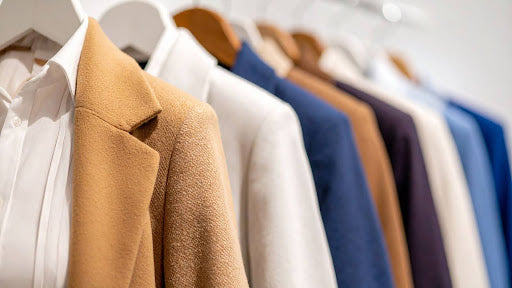
Blazer badges made to order play a vital role in defining identity for schools and corporate organisations. They transform uniforms from simple garments into symbols of belonging, tradition, and professionalism. Whether worn daily by students or employees, a well-made blazer badge communicates values, heritage, and credibility at a glance.
As more institutions move away from generic solutions, demand has grown for bespoke badge designs that reflect unique histories and brand identities. Understanding how these badges are produced helps explain why quality, materials, and craftsmanship matter so much in the final result.
What Materials Are Used to Make Blazer Badges?
Most blazer badges made to order are produced using poly/cotton twill or felt. These materials are chosen for their durability, ability to hold detailed stitching, and suitability for long-term wear. Poly/cotton twill is widely used in both school and corporate settings. Its tight weave provides a clean, professional finish while resisting shrinkage and colour fading through frequent washing. This makes it particularly suitable for school uniforms that must meet hygiene and durability standards.
Felt offers a softer, more traditional appearance and is often selected by institutions that value heritage aesthetics. Its dense structure supports rich embroidery and gives badges a premium, tactile quality that works well on formal blazers.
Material choice is influenced by factors such as how often the uniform is worn and cleaned, the desired visual style, colour accuracy requirements, and overall budget. Both materials are tested to ensure they maintain shape, colour, and integrity after repeated use.
How Are Blazer Badges Designed to Reflect Identity and Heritage?
The design process begins with a logo, crest, or concept provided by the school or business. Designers then adapt this artwork into a badge format that balances clarity, proportion, and durability at a wearable scale.
Schools often incorporate elements such as mottos, founding dates, shields, or symbolic imagery that reflect long-standing traditions. Corporate organisations focus on clean branding, consistent colour matching, and legibility that aligns with broader visual identity guidelines.
Designers consider thread selection, stitch density, and contrast carefully so the badge remains clear from a distance and under different lighting conditions. Every decision ensures the finished badge represents the organisation accurately and professionally.
What Production Techniques Are Used?
Blazer badges made to order are typically produced using either embroidery or weaving, depending on the complexity of the design.
Embroidered badges use raised stitching to create a textured, traditional appearance. This technique works best for bold designs, larger lettering, and classic crests where dimension adds visual impact. Woven badges integrate the design directly into the fabric, allowing for finer details, smaller text, and more complex imagery. This method is ideal when precision and clarity are essential, particularly for modern corporate logos or intricate school crests.
Once the design is produced, the badge edges are finished to prevent fraying. Traditional overlocking provides flexibility and a classic look, while laser-cut edges deliver a sharper, more contemporary finish.
How Are Blazer Badges Attached to Uniforms?
Attachment method plays a major role in how long a badge lasts and how practical it is to use. Sewn attachment remains the most secure and commonly used option. Machine stitching around the edge ensures the badge stays firmly in place through regular washing and daily wear, making it ideal for permanent school and corporate uniforms.
Velcro backing offers flexibility where badges need to be removed or swapped, such as for staff role changes or multiple blazer options. This system requires the loop side to be stitched onto the garment for stability.
Self-adhesive backing exists but is generally unsuitable for long-term uniform use. Adhesives weaken with heat and washing and can damage fabrics, making them more appropriate for temporary or display purposes only.
What Is the Process From Order to Delivery?
The process starts with an initial consultation and artwork submission. Manufacturers create digital mockups so clients can visualise the finished badge before production begins. Once approved, a physical sample is produced to confirm colour accuracy, stitching quality, and size.
After sample approval, full production typically takes several weeks, depending on quantity and complexity. Quality control checks occur throughout the process to ensure consistency across the entire order. Finished badges are packaged carefully and delivered ready for application. Many suppliers offer free delivery and a 14-day returns window, providing reassurance for schools and businesses ordering in bulk.
Why Do Quality Guarantees and Sustainability Matter?
A 1-year manufacturing warranty protects against defects in materials or workmanship, ensuring badges perform as expected during regular use. This level of assurance reflects confidence in production standards and safeguards institutional investment.
Sustainability has also become increasingly important. Responsible manufacturers now focus on ethical sourcing, waste reduction, and environmentally safer dyeing and finishing processes. These practices align with modern expectations from both educational institutions and corporate organisations.
Final Thoughts
Blazer badges made to order are far more than decorative additions. They are carefully engineered symbols of identity that require thoughtful design, precise production, and durable materials to perform their role effectively.
From material selection and embroidery techniques to attachment methods and quality assurance, every stage of the process contributes to a badge that represents an organisation with pride and professionalism.
For schools and businesses seeking custom blazer patches produced with attention to detail and long-term durability, Kingdom Pins is one established manufacturer known for creating bespoke badges that balance heritage, quality, and modern production standards. When done properly, made-to-order blazer badges become lasting symbols of belonging—worn daily, recognised instantly, and respected over time.